A Brooklyn Beginning with City Lights in His Blood
I picture Eugene Pleshette as a man built out of stage dust, brass railings, and the bright hum of New York ambition. Born on January 7, 1914, he came up through a world where theaters were not just buildings, but living engines of culture. He started at the bottom as an usher at the Paramount Theatre in New York, and that detail matters to me. It says he knew the room before he ever helped run it. He understood the audience first, then the machinery behind the curtain.
Over time, Eugene moved from ushering into management, and then into a broader executive world that stretched from live theater into broadcasting and production. That kind of rise is not a straight ladder. It is more like climbing a fire escape in the dark, one careful rung at a time. By the time he reached senior executive roles, he had already spent years learning how entertainment actually works, from the seat level all the way to the control room.
He died in Beverly Hills on September 11, 1991, after a career that left a visible mark on both New York entertainment and the wider broadcast business. I do not see him as a celebrity in the usual sense. I see him as the kind of man whose influence traveled quietly, but widely.
Geraldine Rivers, Geraldine Kaplan, and the Home Behind the Public Man
Eugene’s personal life gives his story warmth and shape. His wife was Geraldine Kaplan Pleshette, also known professionally as Geraldine Rivers. She was a dancer and artist, which makes the family feel almost theatrical before the curtain even rises. I find that pairing striking. He worked the structure of show business, while she brought movement, performance, and artistic grace.
They married on December 30, 1934. That date matters because it places their partnership at the center of Eugene’s long professional arc. Their marriage lasted through the years when he was building his career, and the family seems to have stayed closely linked to the arts and public life.
Geraldine is part of the story not just as a spouse, but as a creative presence in her own right. The name Rivers suggests stage life, reinvention, and presentation. That fits the broader Pleshette family atmosphere, where identity and performance seem to run in parallel streams. I think of their household as one where ambition was not strange, and where art was not decorative. It was part of the air.
Suzanne Pleshette: The Most Public Face of the Family
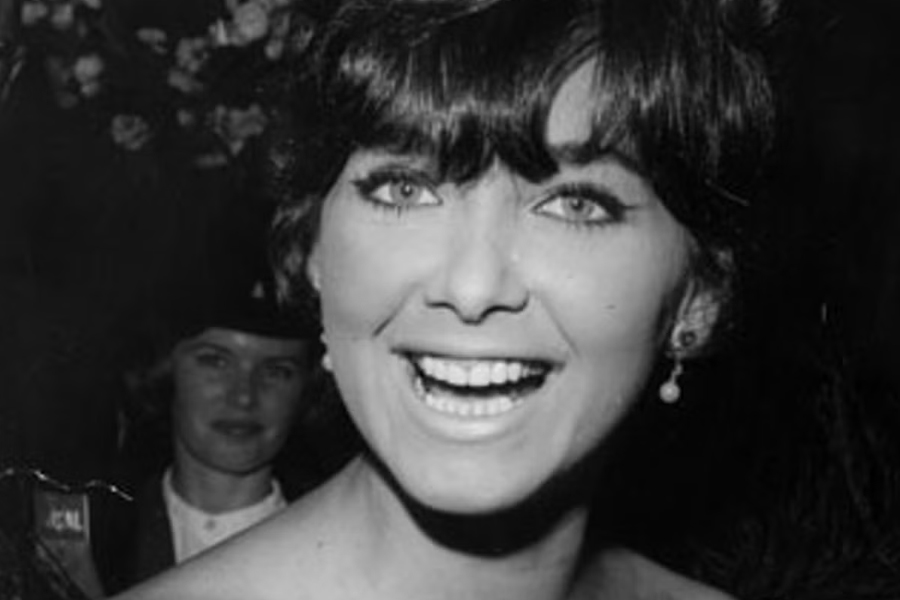
The most famous Eugene family member is his daughter Suzanne Pleshette. Born in Brooklyn on January 31, 1937, she became the most famous family name. Suzanne elevated the family in many ways. Eugene built culture sales, packaging, and presentation rooms. Suzanne entered the lights.
How smoothly the family line links theater, television, and performance jumps out. Eugene was Executive and behind-the-scenes. Geraldine danced and performed. Suzanne gained film fame. That’s no coincidence. It feels like instinct and talent heritage.
Suzanne’s identity is often shaped by family. Eugene was apparent. The origin story included him. He supported the family’s structural integrity. Suzanne made the Pleshette name famous, but Eugene founded it. The family story is polished and structured, like a theater with new paint and ancient steel.
Eugene’s Brothers, Parents, and the Larger Family Frame
Eugene’s family history reaches beyond his own household. His father was Max, sometimes recorded with a slightly different spelling in public family records, and his mother was Gertrude, also recorded with spelling variation. He also had brothers, including Arnold and Manuel. I find these details important because they widen the frame. Eugene was not an isolated figure who appeared fully formed. He came from a larger immigrant or working family world, one that clearly valued resilience.
That matters to the tone of his life. The rise from family origins to theater management and corporate executive work suggests discipline, patience, and social mobility. He seems to have carried the discipline of a family man into a public career that demanded long hours, judgment, and a sense of timing.
When I think about his parents and brothers, I do not think only in genealogical terms. I think about the atmosphere that shaped him. Families like that often teach practical intelligence. You learn to read rooms. You learn to adapt. You learn where the leverage is. Eugene appears to have turned those lessons into a professional advantage.
Career Growth from Theater Lobby to Corporate Boardroom
Eugene’s career variety contributed to his importance. His job at the Brooklyn Paramount put him near one of the era’s biggest entertainment venues. Later, he was ABC’s broadcasting and theater merchandising vice president and head. That adjustment shows he understands performance and performance business. He was more than a venue operator. He worked in the entertainment industry.
His company, MSG-ABC Productions Inc., was affiliated with Holiday on Ice. This project shows how broad his world has expanded. He worked in theater, TV, and large-scale live performances. His 1967 title was Don Reid Productions’ executive vice president. He became an independent consultant after consulting for Shubert Theatres.
I view my career as a relay race. Each role passed the baton. He changed and was not limited. He followed industry. His growth accompanied it. He presumably noticed that entertainment was changing and adapted instead of opposing.
The description of the Brooklyn Paramount as a rock & roll incubator is particularly vivid. Line pulses Eugene’s universe. He is around a time when old theaters launched new sounds. The cultural weather changed while he was there.
A Work Life Measured in Roles, Not Headlines
Eugene Pleshette does not appear to have been a man defined by celebrity headlines or public extravagance. His story is more sober, but not less impressive. He built a career by occupying important positions inside major entertainment institutions. He likely earned respect through consistency, institutional knowledge, and a gift for managing both people and process.
I also notice the absence of easy glamour in the surviving details. There is no neat myth of overnight success. Instead, there is a career with layers. Usher. Manager. Executive. Consultant. Each title adds another floor to the house. That is what makes his biography compelling to me. It is not flashy, but it is substantial.
Financial details are not publicly rich in the record I have, but the arc of his positions suggests a man who worked in high-value spaces and likely carried significant professional responsibility. His achievements are visible less in wealth than in range. He operated in a business where judgment, timing, and trust mattered.
FAQ
Who was Eugene Pleshette?
Eugene Pleshette was a New York theater and broadcasting executive born on January 7, 1914. He began as an usher at the Paramount Theatre and rose into senior roles in theater management, ABC-related merchandising and production, and consulting.
Who were Eugene Pleshette’s family members?
His wife was Geraldine Kaplan Pleshette, also known as Geraldine Rivers. His daughter was Suzanne Pleshette. His parents were Max and Gertrude, and he also had brothers including Arnold and Manuel.
Was Suzanne Pleshette Eugene Pleshette’s daughter?
Yes. Suzanne Pleshette was Eugene Pleshette’s daughter, and she became the best known public figure in the family.
What was Geraldine Rivers’ role in the family story?
Geraldine Rivers, also identified as Geraldine Kaplan Pleshette, was Eugene’s wife and a dancer and artist. She added a creative dimension to the family and stood at the center of the home life behind Eugene’s career.
What kind of work did Eugene Pleshette do?
He worked in theater management, broadcast merchandising, and production leadership. His career included major roles with the Brooklyn Paramount, ABC-related theater and broadcasting operations, MSG-ABC Productions, Don Reid Productions, and later consulting.
Why is Eugene Pleshette remembered?
He is remembered for his long career in entertainment management and for being the father of Suzanne Pleshette. His life connects old New York theater culture, broadcast expansion, and the family line that carried the Pleshette name into wider public view.