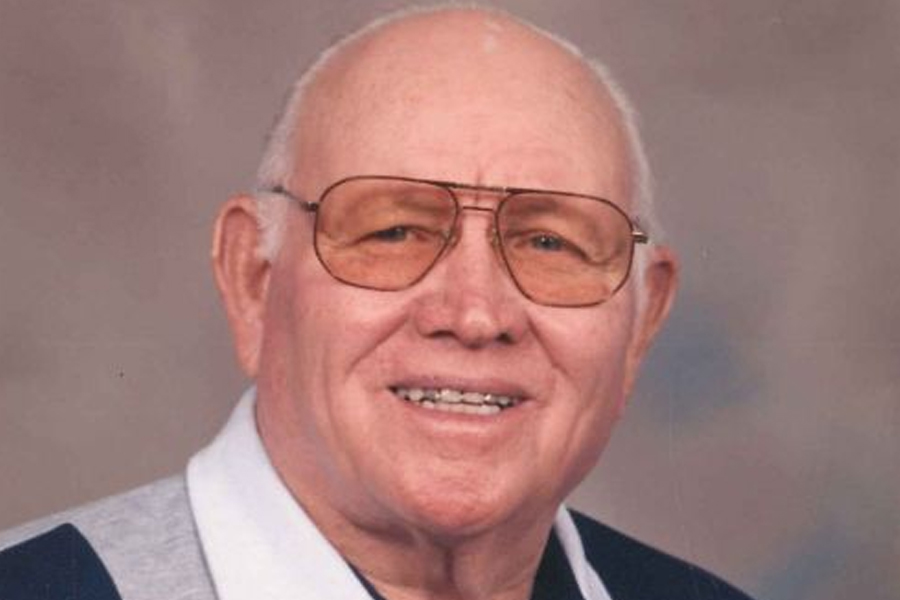
A Louisiana Life Rooted in Work and Family
When I look at the story of James Harold Robertson, I see a man shaped less by headlines than by labor, faith, and family gravity. He was born on 17 May 1914 in Vivian, Louisiana, and he died on 8 July 1998 in Shreveport, Louisiana. Those dates frame a life that stretched across most of the 20th century, from mule-road America to the age of television fame carried by his descendants. He did not leave behind a public empire, but he helped build something sturdier, a family line that would keep growing long after his own name slipped into the background.
James Harold Robertson lived in a part of Louisiana where hard work was not a slogan, it was weather. The family story places him in the oil fields and around drilling rigs, where the days were long and the pay was modest. That kind of work leaves fingerprints on a person. It bends the shoulders a little. It teaches patience. It teaches a man how to keep moving even when the money runs thin and the future looks like a narrow road. In the Robertson family narrative, he stands as the kind of father who held the line while the household moved through a sparse, practical life.
Marriage, Home Life, and the Shape of the Household
James married Merritt Bascom Thurman Hale Robertson, who became the center of the household with him. Their marriage is recorded in family accounts around March 1934 or 23 March 1935, depending on the record. The exact date matters less than the fact of what followed, which was a full and busy family life built over decades.
I think of their home as a kind of workshop of human character. Seven children came from that marriage, and each one carried the family name into a different chapter of American life. The household did not produce fame in the usual way. It produced identity. It produced sons and daughters who would later be remembered in churches, in communities, and eventually on television and in public family histories.
The children of James Harold Robertson and Merritt Robertson were:
| Child | Lifespan | Public identity |
|---|---|---|
| James Francis “Jimmy Frank” Robertson | 1936 to 2014 | Son |
| Harold Gene Robertson | 1939 to 2013 | Son |
| Judith Ann “Judy” Robertson | 1941 to 2006 | Daughter |
| Thomas Sydney “Tommy” Robertson | 1944 to 2019 | Son |
| Phil Alexander Robertson | 1946 to 2025 | Son |
| Silas Merritt “Si” Robertson | born 1948 | Son |
| Janice Ellen “Jan” Robertson Dasher | 1951 to 2019 | Daughter |
Each name is a branch, but the roots are the same. I see this family less like a straight line and more like a river delta, spreading outward into new places while still carrying the same water.
The Children Who Carried the Name Forward
Some families stay local. The Robertsons didn’t.
Phil Alexander Robertson, James Harold Robertson’s most famous son, founded Duck Commander and was a major figure in Duck Dynasty culture. His fame extended the family name to households nationwide. Even with Phil in the forefront, the earlier tale matters. Phil was raised by a father who worked, persevered, and raised children in poverty. Later fame didn’t eliminate roughness.
Si, aka Silas Merritt “Si” Robertson, became another celebrity. He entertained a large audience with his unique voice, humor, and seasoned presence. People remember the laugh or jokes first, but the family line was behind it. His public presence has helped identify his children, including James Harold Robertson’s grandkids Scott Merritt Robertson and Trasa Lee Robertson Cobern.
Despite their lesser fame, James Francis “Jimmy Frank” Robertson, Harold Gene Robertson, Thomas Sydney “Tommy” Robertson, Judith Ann “Judy” Robertson, and Janice Ellen “Jan” Robertson Dasher are vital to the family. Every branch matters in family history, yet not all get attention. Tallest limbs alone cannot sustain a tree.
Grandchildren and the Second Wave of Recognition
The grandchildren make the story feel even larger. Through Phil Robertson, the family expanded into another generation of public recognition, including Alan Robertson, Jase Robertson, Willie Robertson, Jep Robertson, and Phyllis Robertson Thomas. Through Si Robertson, the line continued through Scott Merritt Robertson and Trasa Lee Robertson Cobern. These names matter because they show that James Harold Robertson was not only a father, but also the center of a living family architecture that reached into at least two more generations.
I find this especially striking because James himself appears in public memory mostly as a family anchor, not as a celebrity. He is the kind of person who might be overlooked if the family story were told badly. But the more I look at the line, the more I see that his role was immense. He provided the human frame for a family that later became nationally recognizable. That is no small thing. It is the kind of legacy that grows quietly, like an oak that starts as a simple acorn in wet Louisiana soil.
Work, Money, and Everyday Achievement
Oil field work and drilling rigs appear to have defined James Harold Robertson’s career. That life is hard and often unseen. His name does not indicate public riches. No huge ledger makes him a tycoon or businessman. His economic story appears to be survival, low budgets, and persistent effort.
That matters since not all accomplishments are monetary. Sometimes success is resilience. How many children become adults is measured. Some estimate a family’s faith, work, and name over decades. Thus, James Harold Robertson created something lasting. He helped develop a series of national figures from a simpler background.
I remember consistency, not abundance. A man working before sunrise. A household that distinguishes need from want. Home-steady wife. Children learn discipline by living it. That feat typically disappears from official records, despite building everything that followed.
Timeline of James Harold Robertson
17 May 1914, born in Vivian, Louisiana.
1934 or 23 March 1935, married Merritt Bascom Thurman Hale Robertson.
1936, son James Francis “Jimmy Frank” Robertson was born.
1939, son Harold Gene Robertson was born.
1941, daughter Judith Ann “Judy” Robertson was born.
1944, son Thomas Sydney “Tommy” Robertson was born.
1946, son Phil Alexander Robertson was born.
1948, son Silas Merritt “Si” Robertson was born.
1951, daughter Janice Ellen “Jan” Robertson Dasher was born.
Mid 20th century, worked in oil field and drilling rig labor while raising a large family in Louisiana.
8 July 1998, died in Shreveport, Louisiana.
Family Memory and Lasting Influence
James Harold Robertson remains important because the family story does not stop with him. It flows through Merritt, through their seven children, and through the grandchildren who later carried the Robertson name into new spaces. Phil Robertson’s public life brought attention, Si Robertson’s personality broadened it, and the rest of the family line gave it depth.
I think that is why James Harold Robertson still matters. He represents the kind of American life that is easy to miss if one only looks for celebrity. He was a husband, father, worker, and patriarch. He stood at the center of a family that would eventually become widely known, but his own life was built in the older style, with labor, thrift, and kinship as the main pillars.
FAQ
Who was James Harold Robertson?
James Harold Robertson was a Louisiana man born in 1914 who became known as the father of the Robertson family, including Phil Robertson and Si Robertson. He worked in oil field related labor and lived a quiet, working life.
Who was his wife?
His wife was Merritt Bascom Thurman Hale Robertson. She was the mother of their seven children and the other central pillar of the family home.
How many children did James Harold Robertson have?
He had seven children, including Jimmy Frank, Harold Gene, Judy, Tommy, Phil, Si, and Jan.
Why is James Harold Robertson still remembered?
He is remembered because his children and grandchildren became well known, but also because he represents the hard working family foundation behind that later fame.
What kind of work did he do?
The public record describes him as working in the oil fields and on drilling rigs. His life appears to have been practical, modest, and rooted in steady labor.