Samuel Cowell A Quiet Gardener at the Center of a Famous Family Story
If events had turned out differently, Samuel Knecht Cowell’s name may have stayed virtually unknown. Samuel was a working-class gardener, landscaper, husband, parent, and community member throughout the most of his life. He was born in Chicago, Illinois, on September 23, 1898. However, because he was the maternal grandfather of Theodore Robert Cowell, later known as Ted Bundy, his name became strongly associated with one of America’s most notorious criminal cases decades after his death in 1983.
Samuel’s narrative is remarkable because it sits at the intersection of everyday family life and great public curiosity. The world later saw him through the prism of his grandson’s misdeeds, yet his life was anchored in gardens, neighborhoods, and family obligations.
Early Life and Family Background
Samuel Knecht Cowell was born to William Foote Cowell and Julia Florence Knecht Cowell. His father worked in skilled trades associated with optics, while his mother came from a family of German ancestry. During Samuel’s childhood, the family eventually relocated from Illinois to the Philadelphia region, settling in areas connected to Pennsylvania and New Jersey.
Like many young men of his generation, Samuel came of age during World War I. On October 24, 1918, he enlisted in the United States Army. His military service was brief because the war was drawing to a close. He received an honorable discharge on December 3, 1918, without overseas deployment or combat service.
Although short, this period reflected a generation shaped by global conflict before returning to ordinary civilian lives.
Marriage and Building a Family
On October 23, 1923, Samuel married Eleanor Miriam Longstreet in Philadelphia. Eleanor had been born around 1895 and came from the Longstreet family.
Together they raised three daughters.
| Daughter | Birth |
|---|---|
| Eleanor Louise Cowell | September 21, 1924 |
| Julia Cowell | About 1926 |
| Audrey Hope Cowell | December 31, 1928 |
Their household reflected many values common to Protestant families of the era. Church attendance, discipline, daily chores, and structured routines shaped family life. Gardening itself became part of the rhythm of home, with children expected to help with plants and outdoor work.
A Career Rooted in Soil
In his early adult years, Samuel held a number of jobs. Before gardening became his lifelong career, records show him working as a railroad clerk and in a variety of menial professions.
He had made a name for himself as a landscaper and gardener in Philadelphia’s Roxborough area by the 1930s and 1940s.
His house at 7202 Ridge Avenue evolved into more than just a place to live. In addition, it served as a tiny flower shop where he offered gardening services and plants for sale. During a time when many Americans were still dealing with the consequences of the Great Depression, newspaper ads helped him establish a consistent clientele.
His professional identity was woven together by his love of gardening. Samuel gained a reputation for practical knowledge rather than wealth, much like a cautious caretaker cutting branches to promote growth.
Community Involvement
Samuel’s reputation extended beyond paid work.
He served as horticulture chairman of the Roxborough Garden Club, organizing educational talks, shrub demonstrations, and community gardening activities.
Neighbors remembered him as someone deeply interested in plants and eager to share his expertise. His involvement reflected a quieter form of civic participation that rarely attracts headlines but often leaves lasting impressions within local communities.
His financial circumstances remained modest throughout his life. There is no indication that he accumulated substantial wealth. Instead, his success rested on steady work, practical skills, and community respect.
The Family Secret That Changed Everything
The defining chapter of Samuel Cowell’s public legacy began in 1946.
His oldest daughter, Eleanor Louise Cowell, gave birth to Theodore Robert Cowell at an unwed mothers’ home in Vermont.
At that time, social attitudes toward unmarried mothers were harsh. To shield Louise and the child from stigma, the family adopted an elaborate deception.
Samuel and his wife presented themselves as Ted’s parents.
Louise was introduced as Ted’s older sister.
For Ted’s earliest years, this arrangement shaped his understanding of his own identity while he lived in the Cowell household in Philadelphia.
Eventually Louise moved west with her son, later marrying Johnnie Culpepper Bundy. Ted adopted the Bundy surname and grew up believing a different version of his family history before later learning the truth.
Samuel Cowell as a Grandfather
Accounts suggest that young Ted viewed Samuel affectionately during early childhood.
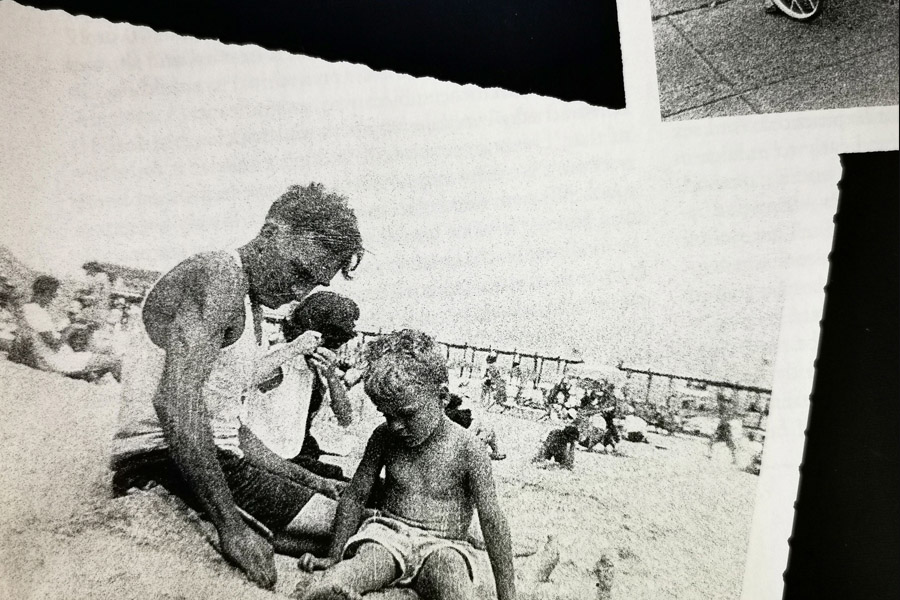
Some recollections describe Samuel as resembling a cheerful Santa Claus figure who spent time around the garden and family home. Ted reportedly missed his grandparents after moving away with his mother.
These memories stand in sharp contrast with darker portrayals that appeared years later after Bundy became a notorious serial killer.
Because those early childhood years occupied such a formative period, psychologists, journalists, and biographers repeatedly examined Samuel’s role within the household.
Conflicting Portraits of His Personality
Perhaps no aspect of Samuel Cowell’s life remains more debated than his character.
One collection of accounts portrays him as violent, intimidating, and abusive. Some writers described him as an alcoholic, an animal abuser, and a harsh father capable of frightening behavior inside the home. These stories became widely repeated because many people searched for childhood experiences that might explain Ted Bundy’s later crimes.
Yet another body of testimony paints an almost opposite picture.
Relatives, neighbors, Garden Club members, and family acquaintances described Samuel as a respected gardener, a teetotaler who did not drink alcohol, an eccentric personality, and a caring grandfather. They rejected many sensational claims, arguing that his reputation had been distorted by efforts to explain Bundy’s criminal behavior.
These conflicting memories continue to shape discussions about Samuel’s legacy. Like two mirrors reflecting different angles of the same room, each perspective presents a very different image.
The DNA Study That Addressed Long Standing Rumors
For decades, one rumor lingered over the Cowell family.
Some speculated that Samuel Cowell had secretly fathered Ted Bundy through an incestuous relationship with his daughter Louise.
The speculation arose largely because of the secrecy surrounding Ted’s birth and the uncertainty surrounding his biological father.
In 2020, psychiatrist Dorothy Otnow Lewis examined Ted Bundy’s DNA using genetic methods capable of detecting signs associated with close parental relationships.
The analysis found no evidence of the elevated homozygosity expected if Ted’s parents had been closely related.
Although the testing was not a direct paternity comparison with Samuel’s DNA, it effectively disproved the incest theory that had circulated for decades.
The findings shifted attention away from sensational speculation and back toward documented aspects of the family’s history.
Later Years
Samuel sold the Ridge Avenue property where he had run his nursery for many years in 1961.
Later on, he resided at a different Pulaski Avenue residence in the Philadelphia neighborhood.
Eleanor Miriam Cowell, his wife, passed away in 1971.
Before dying in December 1983 at the age of 85 in Lafayette Hill, Montgomery County, Pennsylvania, Samuel lived for an additional twelve years.
Ted Bundy was facing execution on death row in Florida at the time of Samuel’s passing, thus the family’s private past became part of a story that was becoming more well known.
Samuel was laid to rest in Plymouth Meeting, Pennsylvania’s George Washington Memorial Park.
Family Members at a Glance
| Family Member | Relationship | Notes |
|---|---|---|
| William Foote Cowell | Father | Worked in optical trades |
| Julia Florence Knecht Cowell | Mother | Of German ancestry |
| Eleanor Miriam Longstreet Cowell | Wife | Married Samuel in 1923 |
| Eleanor Louise Cowell | Daughter | Mother of Ted Bundy |
| Julia Cowell | Daughter | Born about 1926 |
| Audrey Hope Cowell | Daughter | Born December 31, 1928 |
| Theodore Robert Cowell Ted Bundy | Grandson | Raised in the Cowell household during early childhood |
FAQ
Who was Samuel Cowell?
Samuel Knecht Cowell was an American gardener, landscaper, nursery operator, husband, and father. He is best known today as the maternal grandfather of Ted Bundy.
When was Samuel Cowell born?
He was born on September 23, 1898, in Chicago, Illinois.
Did Samuel Cowell serve in the military?
Yes. He enlisted in the United States Army on October 24, 1918, and received an honorable discharge on December 3, 1918.
What was Samuel Cowell’s occupation?
He worked in several jobs early in life before becoming a gardener, landscaper, and small nursery owner in Philadelphia’s Roxborough neighborhood.
Who was Samuel Cowell’s wife?
His wife was Eleanor Miriam Longstreet Cowell. They married on October 23, 1923, and remained together until her death in 1971.
How many children did Samuel Cowell have?
Samuel and Eleanor had three daughters: Eleanor Louise Cowell, Julia Cowell, and Audrey Hope Cowell.
Why did Ted Bundy believe Samuel was his father?
After Ted’s birth in 1946, the family concealed Louise Cowell’s unmarried motherhood by presenting Samuel and Eleanor as Ted’s parents while introducing Louise as his older sister.
Was Samuel Cowell really Ted Bundy’s biological father?
No. Modern DNA analysis performed in 2020 found no genetic evidence supporting the long standing rumor that Ted Bundy was the child of an incestuous relationship involving Samuel Cowell.
Why do opinions about Samuel Cowell differ?
Some writers portrayed him as abusive and intimidating, while relatives, neighbors, and members of the Roxborough gardening community described him as a respected horticulturist, devoted grandfather, and non drinker. These opposing accounts have remained part of the historical discussion surrounding his life.